Overview: Linen’s Timeless Language
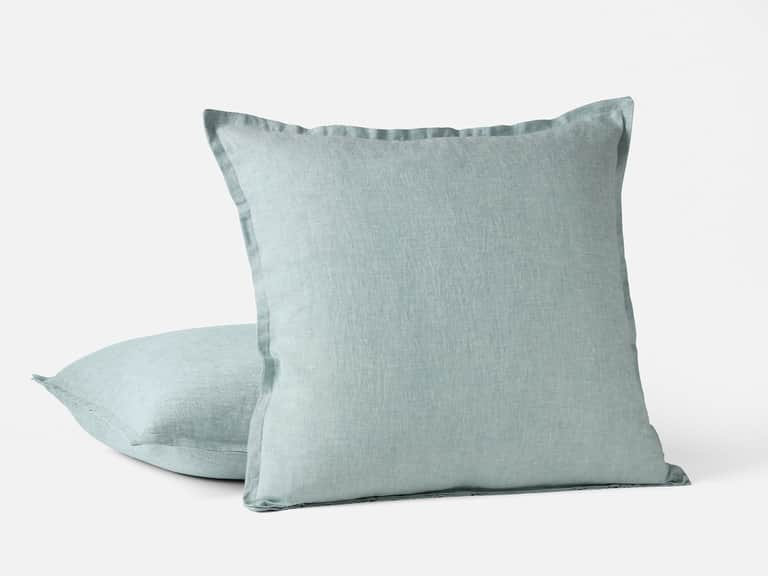
Linen is not merely a fabric; it is a dialogue between nature and craft. Its cool, breathable hand, moisture management, and natural texture provide a sustained sense of calm in a space that could otherwise feel crowded with pattern and color. When evaluating brands like Coyuchi and Naturepedic, designers should listen for three enduring qualities: fiber origin and processing integrity, weave weight and hand, and the relationship between finish and longevity.
Coyuchi has long championed organic and regenerative textile practices, weaving flax grown in Europe and refined in production facilities with a sustainability-first ethos. Naturepedic, likewise, foregrounds organic flax and GOTS-certified processing, marrying environmental stewardship with comfortable, durable textiles. The contrast between them often emerges in weight—lighter, airy linens versus more substantial, stone-washed textures—and in finish, from crisp, breathable plains to gently relaxed textures that invite touch.
For designers pursuing a timeless, minimalist palette, the best linen bedding supports the room’s form rather than competing with it. The conversation extends from fiber to finish: stone-washed or garment-washed linens soften in time; plain weaves emphasize drape and air movement; and hemstitch or minimal embroidery adds a refined signature without visual noise.
Brand Foundations: Coyuchi vs. Naturepedic
Coyuchi frames linen as a natural luxury grounded in organic farming, responsible processing, and transparent supply chains. Their linens are often GOTS certified, and the company emphasizes European flax origins with production in Portugal, enabling consistent texture and color fidelity while minimizing environmental impact.
Naturepedic presents linen that foregrounds organic flax and a global approach to craftsmanship, with emphasis on a soft, stone-washed hand that feels lived-in yet refined. The materials are typically processed in certifications such as GOTS, underscoring a shared commitment to ecological stewardship.
In practical terms, Coyuchi’s linens might skew toward a slightly crisper initial hand that softens with washing, while Naturepedic’s stone-washed or garment-washed finishes can offer a more immediately relaxed hand. Both brands prioritize transparency and long-term durability—an essential consideration for design decisions that aim to endure.
Key Figures in Linen’s Design History
Across eras, three individuals illuminate linen’s evolving role in textiles, design, and culture. Each represents a pivot point in how linen is understood, used, and celebrated in living spaces.
1) Leonardo da Vinci (1452–1519) — The Renaissance’s Quiet Obsession with Material Truth
Though not a textile designer in the modern sense, Leonardo’s notebooks reveal a disciplined curiosity about natural fibers, their properties, and how materials influence form. In linen, the ancients found a fabric that could be woven to produce a stable, breathable surface. Leonardo’s spirit—a blend of scientific observation and artistic exploration—underpins the modern aesthetic virtue of linen: authenticity, texture, and a quiet, enduring presence in space.
2) Catherine Evans (18th–19th centuries) — The Rise of Industrial Looms and Everyday Linen
During the Industrial Revolution, linen production scaled dramatically, transforming linen from a luxury material into a daily staple. The shift pushed linen into homes as durable, temperature-regulating bedding and table textiles. Designers who worked with linen then developed a vocabulary of simple, honest finishes—unpretentious lines, crisp edges, and durable seams—that still anchor modern minimalist aesthetics.
3) Martha Stewart (20th–21st centuries) — The Art of Accessible Luxury
In contemporary design discourse, Martha Stewart popularized a sense that luxury can be practical, reproducible, and timeless. Linen figured prominently in her living spaces as a material that invites touch, ages gracefully, and remains faithful to a clean, calm aesthetic. This ethos—simplicity with depth—resonates with Coyuchi’s and Naturepedic’s emphasis on sustainable materials and enduring quality.
Why Linen Matters to Minimal Design
In a minimalist design, every texture earns its keep. Linen’s irregular slub, soft drape, and natural color variations provide subtle depth without shouting. It ages with dignified restraint, developing a patina that speaks to a space’s history rather than its brand. The fiber’s breathability contributes to a healthier microclimate in the bedroom—an important, though often overlooked, design consideration.
When comparing Coyuchi and Naturepedic, designers should measure not only weigh and weave but also the broader design system: calendared finishing schedules, washing guidance, and the brand’s stance on sustainability and transparency. A well-curated linen program helps designers assemble a cohesive palette—neutral, raw, or softly tinted—whose textures harmonize with wood, stone, and muted pigments.
Practical Guidance for Designers
- Weight and feel: Choose a weight that matches climate and bed depth. Lighter linens invite a breezy atmosphere; heavier linens offer structure and durability, especially for guest rooms and high-use spaces.
- Finish selection: A plain weave delivers a clean, modern look; a garment-washed or stone-washed linen provides a relaxed texture that softens with time, ideal for lived-in environments.
- Care philosophy: Favor linens that tolerate regular laundering with simple care. For hospitality or busy households, durability and colorfastness under repeated washing are paramount.
- Color strategy: Linen’s natural hues—ivory, ecru, stone—pair with almost any palette. Subtle dyes can extend the range while preserving linen’s intrinsic depth.
- Sustainability: Favor brands with transparent supply chains, GOTS certifications, and European flax networks. The longevity of linen combined with responsible sourcing makes for a durable, responsible aesthetic.